Texas continues to lead the U.S. battery energy storage system (BESS) market, with unprecedented growth in 2026. According to ERCOT interconnection data and U.S. Energy Storage Association (USEA) reports, Texas is expected to reach over 14GW / 23GWh of utility-scale BESS capacity by mid-2026, nearly doubling from the previous year. The state’s rapid deployment is driven by increasing renewable generation, rising peak electricity demand, and the expansion of AI data centers.
Notable 2026 BESS projects in Texas include:
Lunis Creek BESS: 621 MW / 2.5 GWh
Clear Fork Creek Solar & BESS: 600 MW / 2.0 GWh
Tehuacana Creek 1 BESS: 418 MW / 1.5 GWh
Multiple medium-scale modular deployments ranging from 50MW to 150MW, supporting grid flexibility and renewable integration
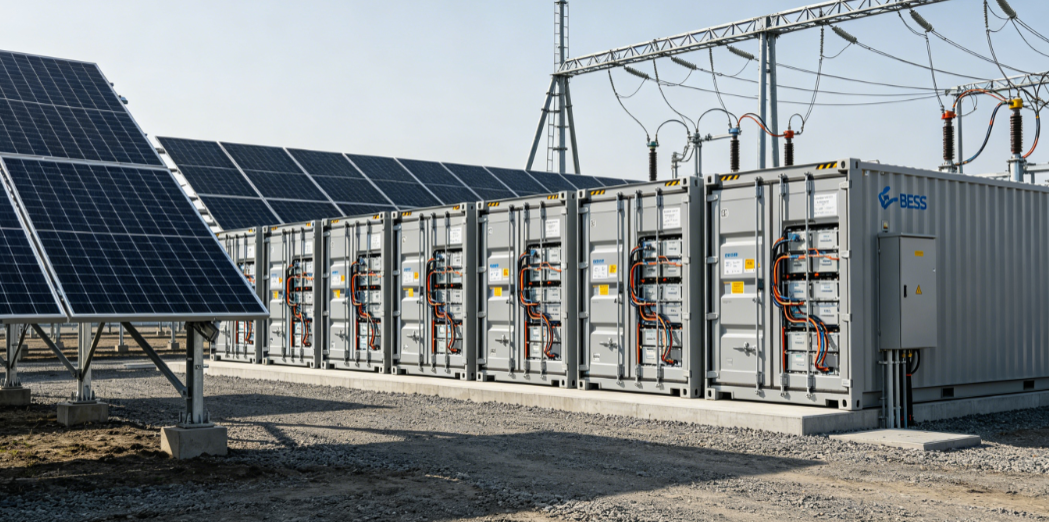
Battery storage is playing a critical role in balancing variable generation and supporting grid reliability. According to the U.S. Energy Information
Administration (EIA), renewable generation now accounts for over half of Texas’ electricity production during peak periods. BESS installations are reducing renewable curtailment, managing evening peak loads, and providing fast-response services such as frequency regulation and ramping support.
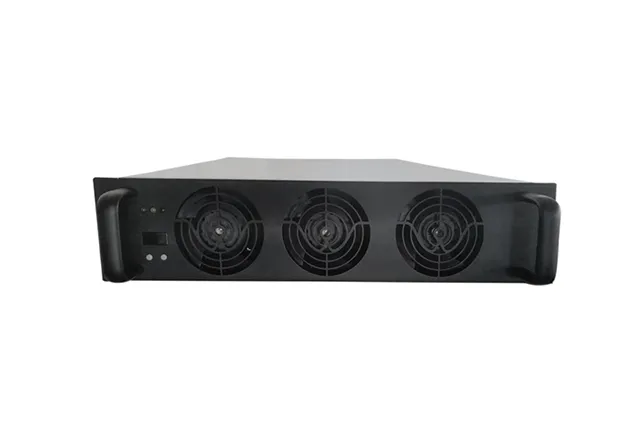
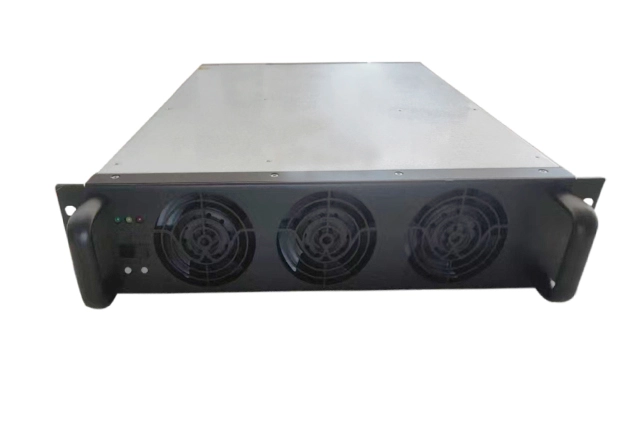
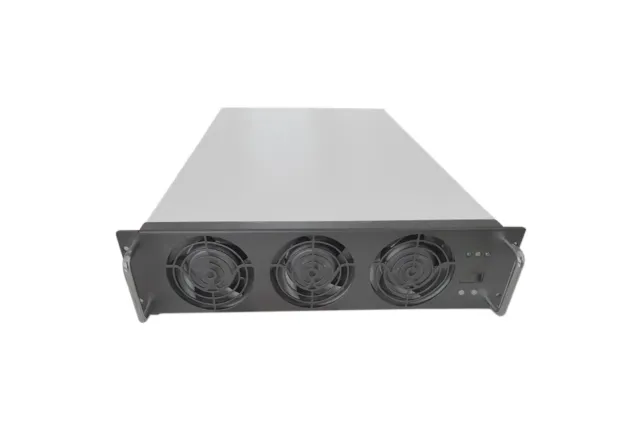
Advanced energy conversion technologies are essential for these utility-scale deployments. Maxwell's MXC100063B, a 62.5kW 1000V bidirectional DC/DC module with an input voltage range of 750-850Vdc, an output voltage range of 200-1000Vdc. The communication method is CAN Bus. It provides efficient, scalable, and reliable power conversion, supports bidirectional energy flow and modular expansion, thus supporting large-scale energy storage projects. These modules deliver high efficiency, wide voltage adaptability, and rapid response times, making them ideal for Texas’ rapidly evolving energy storage projects!
Save cost-with manufacturer direct pricing
Control quality-with strict quality control and testing
Save time-with experienced team to get project done
 English