In 2026, electric vehicles have become increasingly common in Singapore, and charging stations have become necessary infrastructure for urban transport and daily life. Supported by clear government plans, growing market demand and active participation from companies, Singapore's EV charging market is expanding steadily with a more reasonable layout and better services. This not only makes daily travel more convenient for EV users, but also supports Singapore's goal of building a low-carbon and green transport system.
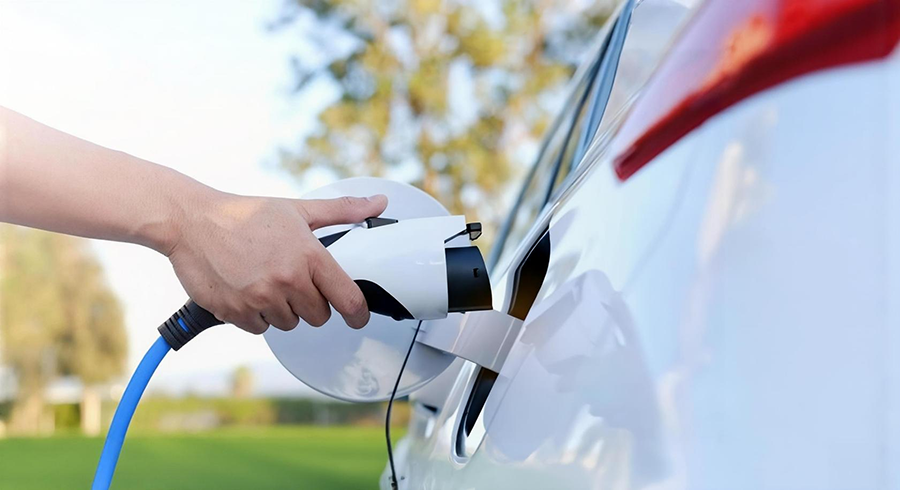
In 2026, more residents and businesses in Singapore are choosing electric vehicles, and their share in new car sales keeps rising, directly pushing up the demand for charging stations. People increasingly expect convenient charging in housing areas, shopping malls, office buildings and public car parks. The government is also adding more public chargers according to its long-term plan, focusing on areas where people spend their daily lives, making charging as easy as parking. Meanwhile, the electrification of commercial vehicles like delivery vans and ride-hailing cars has further increased the overall need for charging facilities.
Singapore's charging market now has a stable operation model. Construction and management are mainly carried out by several large professional companies, with public and private chargers having clear roles and complementing each other. Public chargers mainly serve residents and visitors for temporary use, while private chargers focus on companies and regular users. These chargers are highly compatible and can be used by different EV brands. Operators provide one-stop services such as finding stations, booking and payment through mobile apps. The government is also unifying platform and interface standards to make the whole charging system smoother and more efficient.
After 2026, the focus of Singapore's charging market will shift from simply increasing quantity to improving speed and intelligence. More fast and ultra-fast chargers will be installed to shorten waiting time and meet the needs of high-frequency vehicles. At the same time, chargers will work better with the power grid and transport systems, improving efficiency through smart management. Competition in the industry will also pay more attention to user experience, service quality and convenience, rather than only the number of chargers. Overall, the industry is moving toward a smarter, more efficient and more user-friendly direction.
Overall, Singapore's EV charging market is in a stage of steady development and continuous upgrading in 2026. Growing demand, policy support and mature operation jointly drive the industry forward. It not only provides reliable support for local EV users, but also builds a solid foundation for urban green transport. Singapore’s model is clear and practical, offering reference for cities in Southeast Asia and around the world, while creating opportunities for cooperation and development for related companies both locally and internationally.
Save cost-with manufacturer direct pricing
Control quality-with strict quality control and testing
Save time-with experienced team to get project done
 English