With the global demand for renewable energy surging, Europe is accelerating its energy transition. Confronted with climate change pressures and energy security challenges, the European Union has identified green and low-carbon economic development as a core objective for future growth. This transformation extends beyond energy production methods, encompassing all aspects of energy storage and consumption. As a pivotal tool supporting the widespread adoption of renewable energy, energy storage technology is now experiencing unprecedented development opportunities.
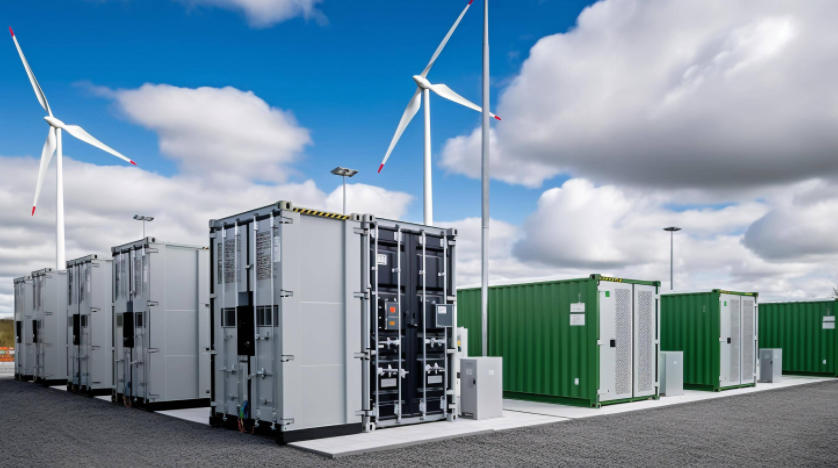
While renewable energy sources like wind and solar power are vital for reducing carbon emissions, ensuring stable energy supply remains a critical challenge due to their intermittent and fluctuating nature. Energy storage technology serves as the cornerstone solution to this problem. The European Commission has explicitly stated that energy storage has become a key tool for accelerating the energy transition, playing a crucial role in maintaining grid stability and achieving decarbonization goals.
The compound annual growth rate (CAGR) between 2025 and 2030 is forecasted to reach 27%. Battery energy storage systems have reached a scale of approximately 200 megawatts, effectively replacing small and medium-sized natural gas power plants. A prime example is the energy storage project at California's Moss Landing Solar Farm, which provides four hours of electricity support to around 300,000 California households during peak demand periods like evenings and heatwaves, serving as a key demonstration of renewable energy replacing traditional power generation.
With the advancement of global energy transition, energy storage technology is rapidly developing worldwide. In 2026, the European energy storage market is expected to experience high growth, particularly after the cancellation of China's mandatory energy storage policies, where the independent energy storage market shows a particularly explosive trend. It is estimated that by 2025, global energy storage battery demand will reach 550GWh, a 70% year-on-year increase; by 2026, Europe and emerging markets will continue to expand, with global energy storage demand expected to grow by 40%, reaching 770GWh.
In the United States, large-scale energy storage projects are being installed before the enactment of the Big and Beautiful Act, and the U.S. market is expected to grow by 40% between 2025 and 2026. Meanwhile, Europe and emerging markets are growing even faster, with growth rates between 1 and 2 times.
Europe's power battery market is projected to grow by over 30% in 2025. With the launch of new models and policy incentives, the European energy storage market is expected to maintain a 30% growth rate through 2026. Overall, lithium battery demand is forecast to increase by 40% in 2025 and sustain a growth rate above 25% in 2026.
Europe's energy storage market is experiencing accelerated growth. With the increasing frequency of negative electricity prices and widening spot market price differentials between peak and off-peak hours, energy storage projects in most countries have achieved return rates of 10%-15%. Particularly after the large-scale power outages in Spain, European governments have significantly increased support for energy storage systems. The year 2025 is projected to mark a turning point for the explosive growth of Europe's large-scale energy storage market.
According to projections, Europe's new energy storage capacity is expected to reach 165GWh by 2030, with a compound annual growth rate (CAGR) of 40% from 2024 to 2030, corresponding to a market size of $2.83 million. While Eastern Europe is anticipated to experience rapid growth in energy storage projects in the short term, Western and Southern Europe are projected to dominate the market in the long run.
2024 is recognized as a historic turning point for Europe's energy storage market. According to the latest data from the European Photovoltaic Association, the installed capacity of large-scale storage systems in Europe surpassed household storage for the first time in 2024, marking a 206% year-on-year surge and accounting for 49% of total new installations. Meanwhile, new household storage installations, which previously dominated the market, dropped to 8.7 GWh, representing a 27.5% year-on-year decline. This shift signifies Europe's energy storage market is transitioning from small-scale household systems to large-scale.
Save cost-with manufacturer direct pricing
Control quality-with strict quality control and testing
Save time-with experienced team to get project done
 English